

The plywood industry is a fundamental pillar of modern construction, interior design, and industrial applications. Its evolution reflects continuous improvements in material science, production processes, and environmental responsibility.
What is Plywood and Why It Matters
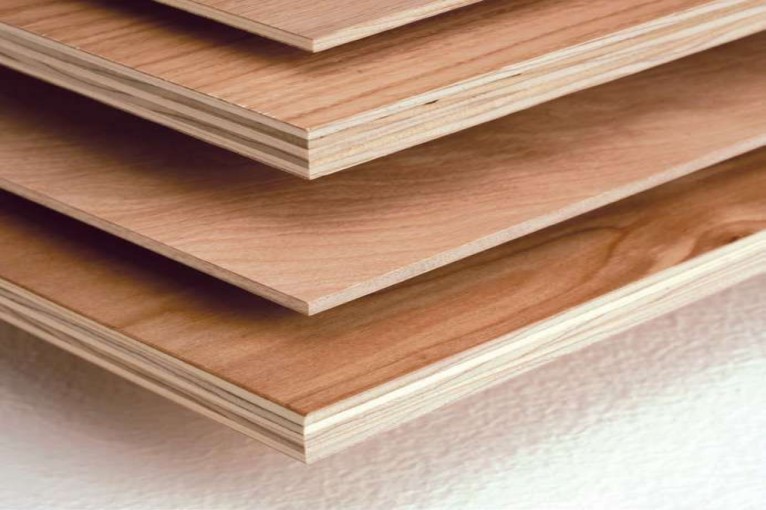
Plywood is an engineered wood product manufactured by bonding multiple layers of veneer in a cross-laminated structure. This configuration minimizes dimensional changes due to moisture and provides excellent strength-to-weight performance, making plywood a versatile and sustainable alternative to solid wood.
Manufacturing Technology and Quality Control
Production begins with log preparation, veneer peeling, and controlled drying to achieve optimal moisture content. Layers are graded, repaired, and assembled with adhesive systems such as UF, MUF, or PF, depending on the durability requirements. Precision hot-pressing under high temperature and pressure ensures structural stability, followed by trimming and sanding for surface calibration.
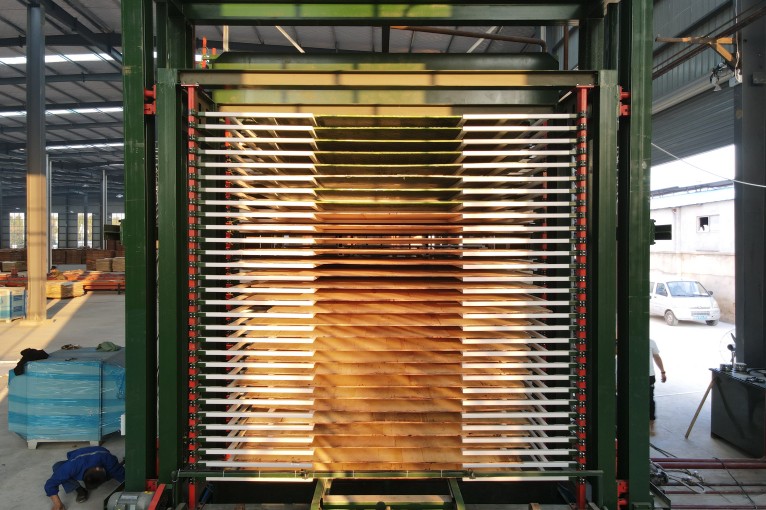
Key quality factors include bonding strength, moisture resistance, dimensional tolerance, and emission control. Advanced factories now adopt automated veneer scanning, digital press controls, and real-time quality monitoring, setting new benchmarks for consistency.
Applications and Market Expansion
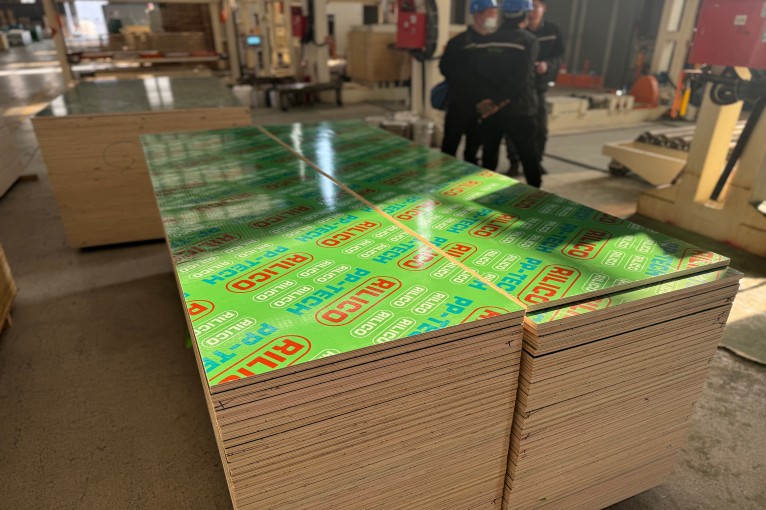
While construction formwork remains a dominant application, plywood has expanded into modular furniture, transport, packaging, and marine environments. Specialized products such as film-faced panels, fire-retardant plywood, and decorative veneers continue to drive market differentiation.
Future Outlook
The global plywood market is projected to surpass USD 84 billion by 2030, fueled by urbanization and sustainable construction initiatives. Emerging technologies, including bio-based adhesives and AI-driven quality control, promise to redefine production efficiency and environmental performance.
In this evolving landscape, manufacturers who prioritize innovation, compliance, and sustainability will lead the industry forward.